Last Updated on March 10, 2026 by Eric
March fishing in Tampa Bay is the month where winter patterns still work, but spring momentum starts stacking the odds in your favor. The water warms a little more each week, bait shows up in more places, and redfish, snook, and trout begin feeding longer and moving farther from their tight “cold comfort” zones.
If you like to plan month-by-month, the Inshore Fishing Tampa 2026 calendar lays out how the bay shifts through the entire year. If you are coming straight out of late winter conditions, it also helps to compare this to February fishing in Tampa Bay, because early March often fishes like an extension of February until you get a stable warming stretch.
For an on-the-water snapshot and what has been producing during spring’s early ramp-up, the March fishing report is a useful read before you pick your trip date.
What Changes in Tampa Bay in March
March is a transition month, and Tampa Bay is a system that reacts fast to transitions. A couple degrees of water temperature, a few extra minutes of daylight, and consistent bait activity can flip a slow day into a “they are chewing” day.
In early March, expect some leftover winter realities: occasional fronts, clear water, and lower morning temperatures that make fish hold deeper or tighter to cover. By mid to late March, those same fish spend more time on flats and mangrove edges, especially when tides are high enough to let them push shallow and hunt.
If you want the big-picture explanation of how spring reshuffles fish locations across the bay, spring inshore fishing in Tampa Bay and how to make it work breaks down what to look for as fish shift from channels and canals toward flats, shorelines, potholes, and staging areas.
March Tampa Bay Bite Forecast
| Species | Best March areas | What to throw | Early March vs late March |
|---|---|---|---|
| Redfish | creeks, creek mouths, mangrove edges, oyster lines, grass and sand transitions | live shrimp, cut bait, whitebait when available, soft plastics worked slow | Early month: edges and deeper lanes matter. Late month: more fish slide shallow on higher tides and stay there longer. |
| Snook | protected creeks, mangrove shorelines, canals, docks, deeper drop-offs near feeding flats | live shrimp and baitfish, suspending twitch baits, paddletails, topwaters in low light | Early month: warm pockets and cover. Late month: more aggressive feeding on moving water and high tides. |
| Spotted seatrout | grass flats with potholes, deeper grass edges, channels adjacent to flats | shrimp under a cork, soft plastics, twitch baits with longer pauses early | Early month: slower cadence, deeper edges. Late month: more consistent flat bite, especially on stable weather. |
| Sheepshead | bridges, docks, rock piles, oyster bars, pilings with current | shrimp pieces, fiddler crabs, small hooks fished tight to structure | Strong early March and still catchable late month, but they often stop being the whole plan as spring species fire up. |
| Black drum | deeper edges, bridges, hard bottom, oyster and shell zones | shrimp, crab-style baits, slow bottom presentations | Consistent all month, especially when wind or fronts make “open flat” fishing less comfortable. |
| Flats and backcountry mixed bag | mangrove shorelines, small bays, spoil islands, leeward flats | match the day: live bait when it’s there, artificials when you want to cover water | March is a flexibility month. The best plan is the one that matches wind, tide height, and water clarity that day. |
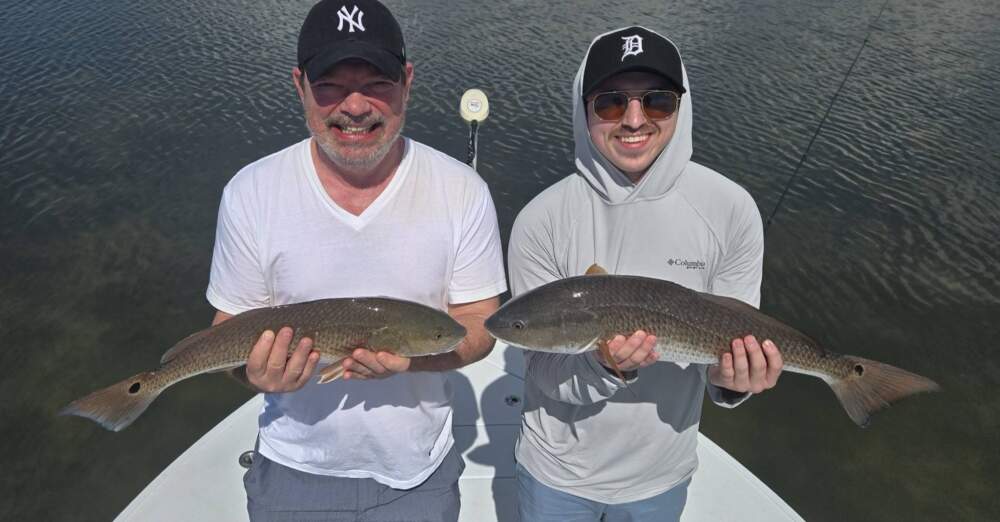
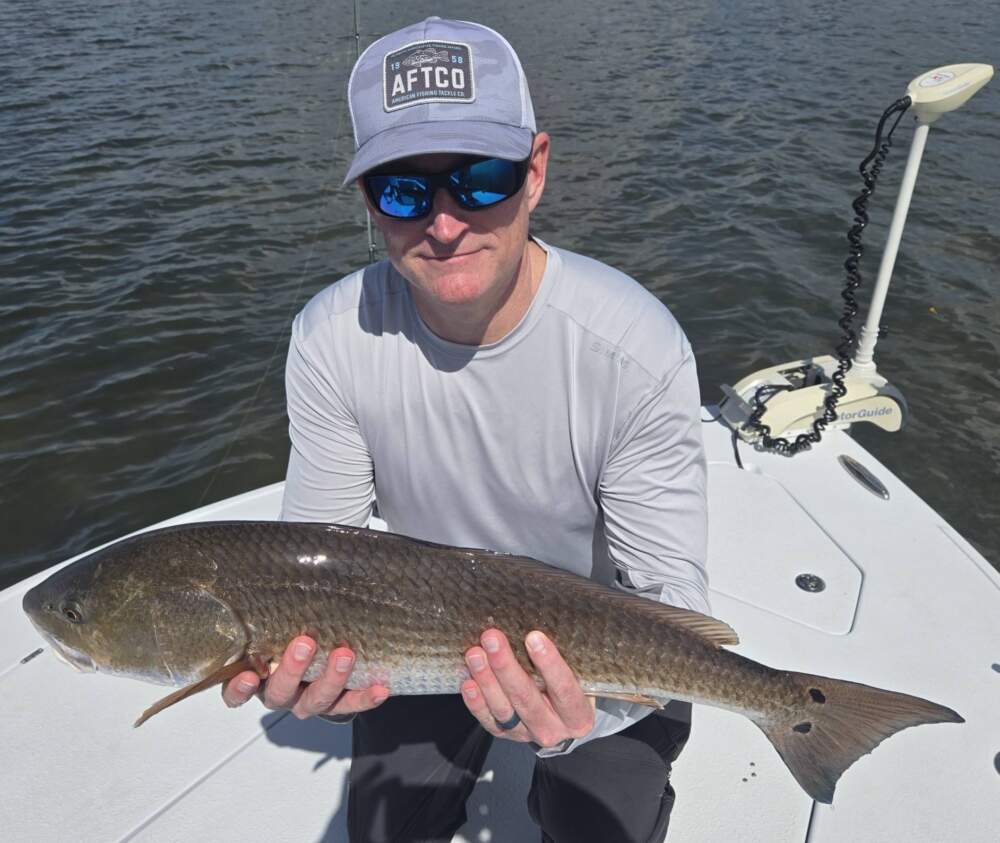
March Redfish
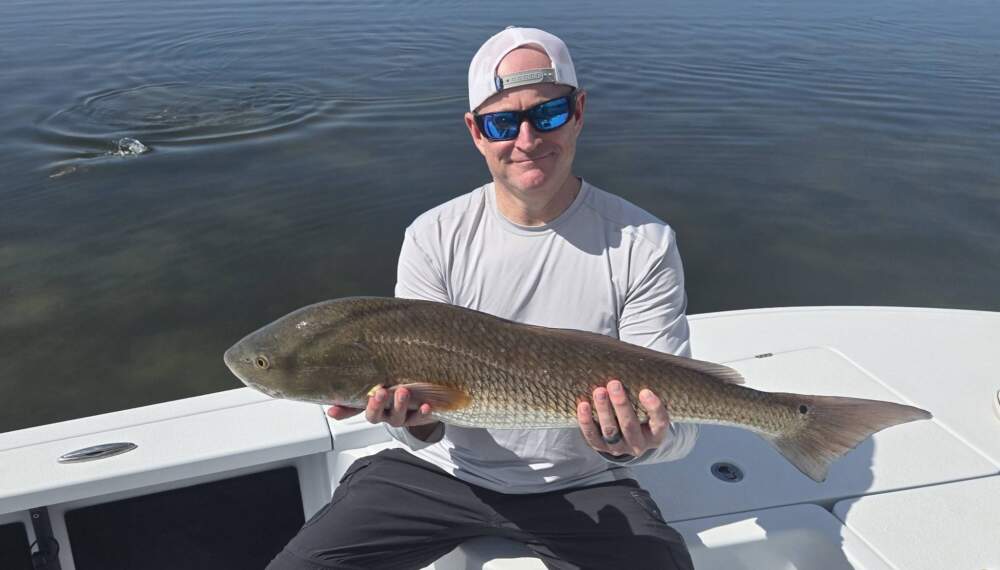
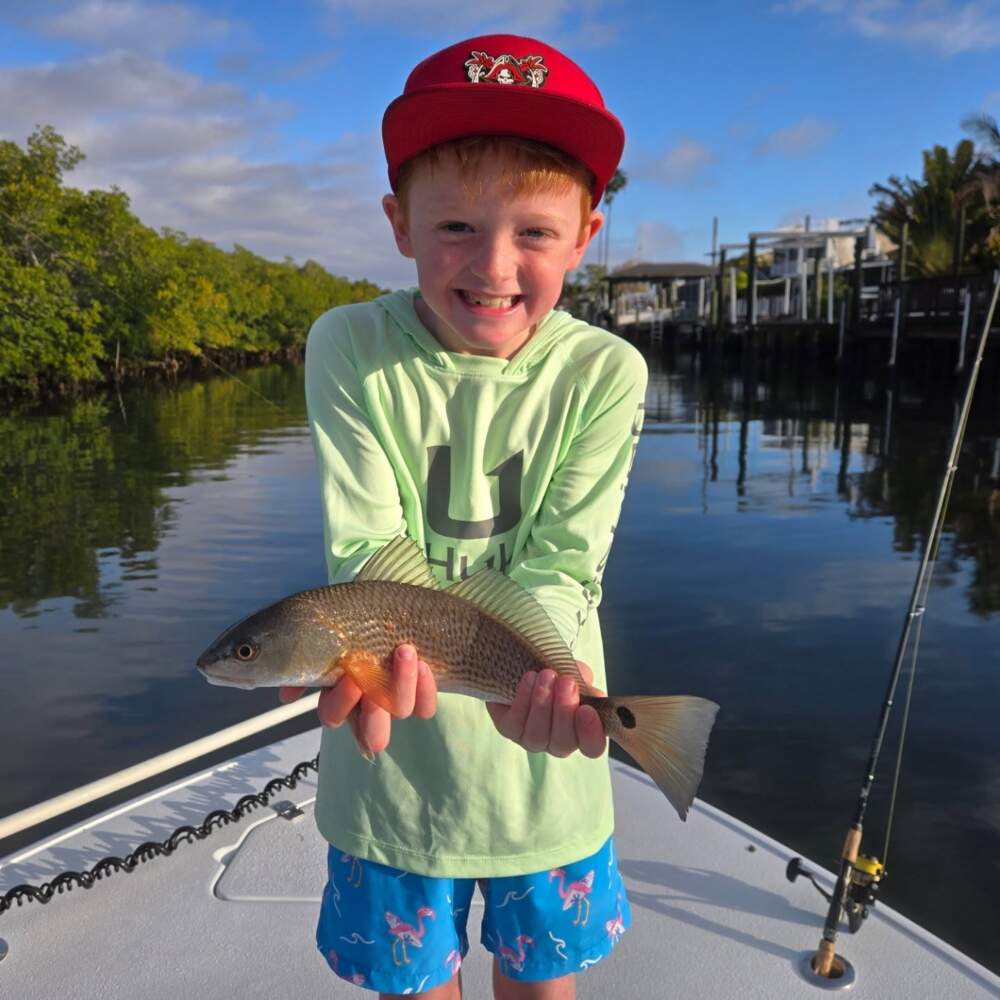
March is one of the best months of the year to target Tampa Bay redfish because you get the winter advantage of fish grouping up, plus the spring advantage of longer feeding windows. Reds will still use deeper edges in the morning, especially after a cool night, but March is when they begin staying shallow longer once the sun starts warming the bottom.
Two March clues to watch for are high tides and bait presence. When tides are high enough to flood mangrove edges, redfish can push tight to the bushes and feed where they feel safe. When tides drop, they slide out to edges, potholes, and flats where the next meal is easier to pin down. If you like fishing natural baits and working a bite slowly, live and cut bait fishing for redfish in Tampa Bay is a strong guide to how we approach reds when we want consistent hookups.
March Snook
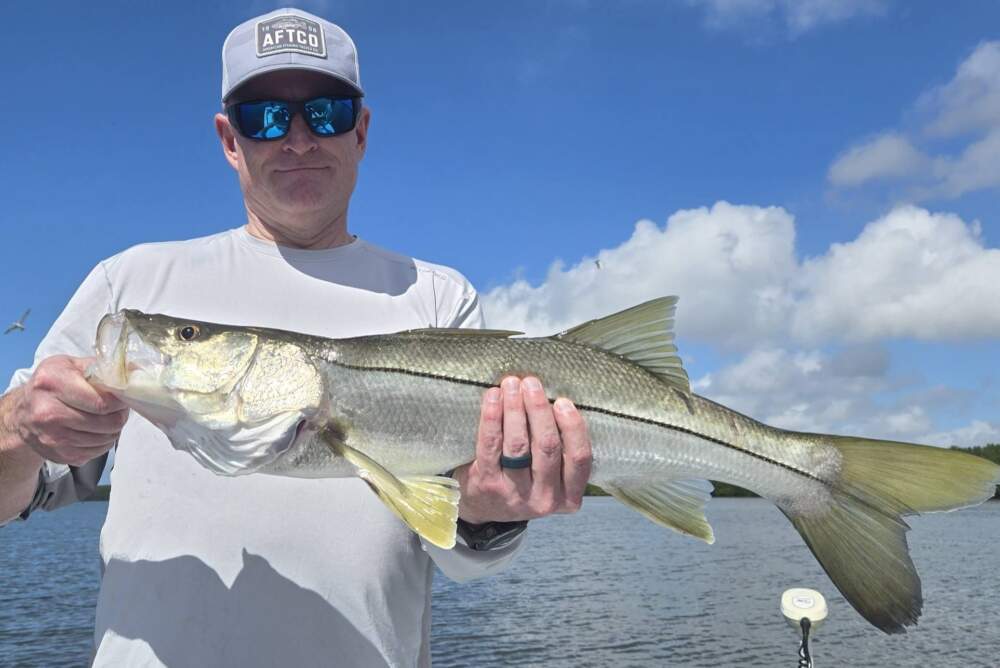
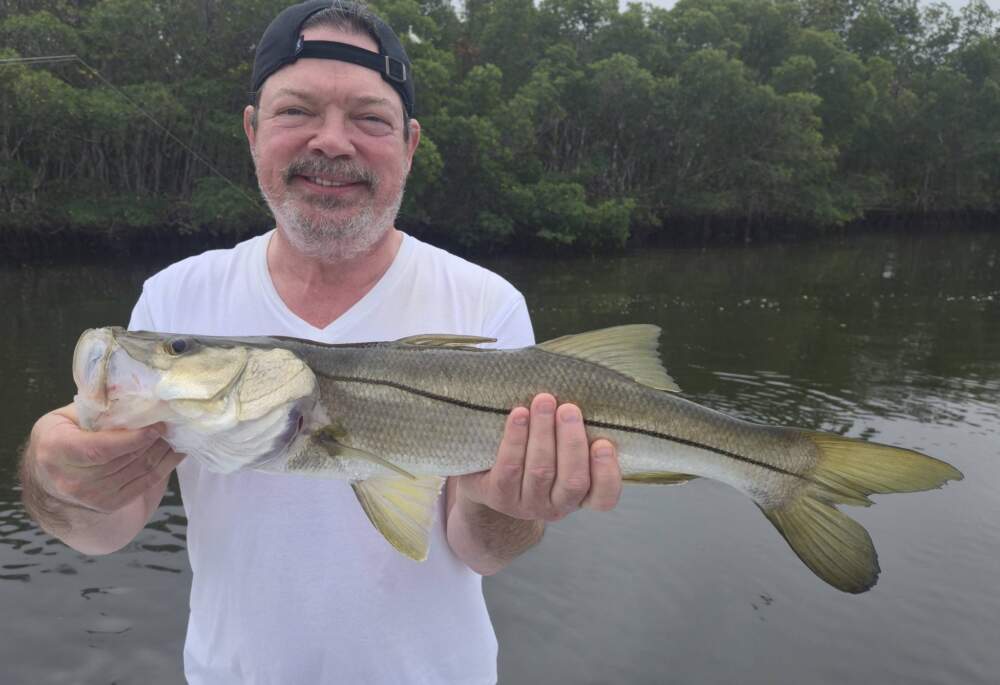
Snook are where March gets exciting. In early March, snook can still behave like “winter snook,” holding near protected water, canals, and deeper cover where temperatures stay stable overnight. As the month progresses, they begin acting more like spring fish, sliding toward mangrove shorelines, dock lines, and flats during higher water and feeding more aggressively around moving tides.
If snook are a priority, it helps to understand how they use cover in this system. Start with Tampa Bay snook fishing, then add in finding cold weather snook for early March days when mornings still feel like winter.
March is also when snook regulations often become a bigger part of the conversation. If your group is interested in keeping a legal fish, always confirm the current rules before your trip because seasons and requirements can change. The snook overview at this snook page covers the basics as they are commonly discussed locally, and it is a good starting point before you check the latest Florida regulations.
March Trout
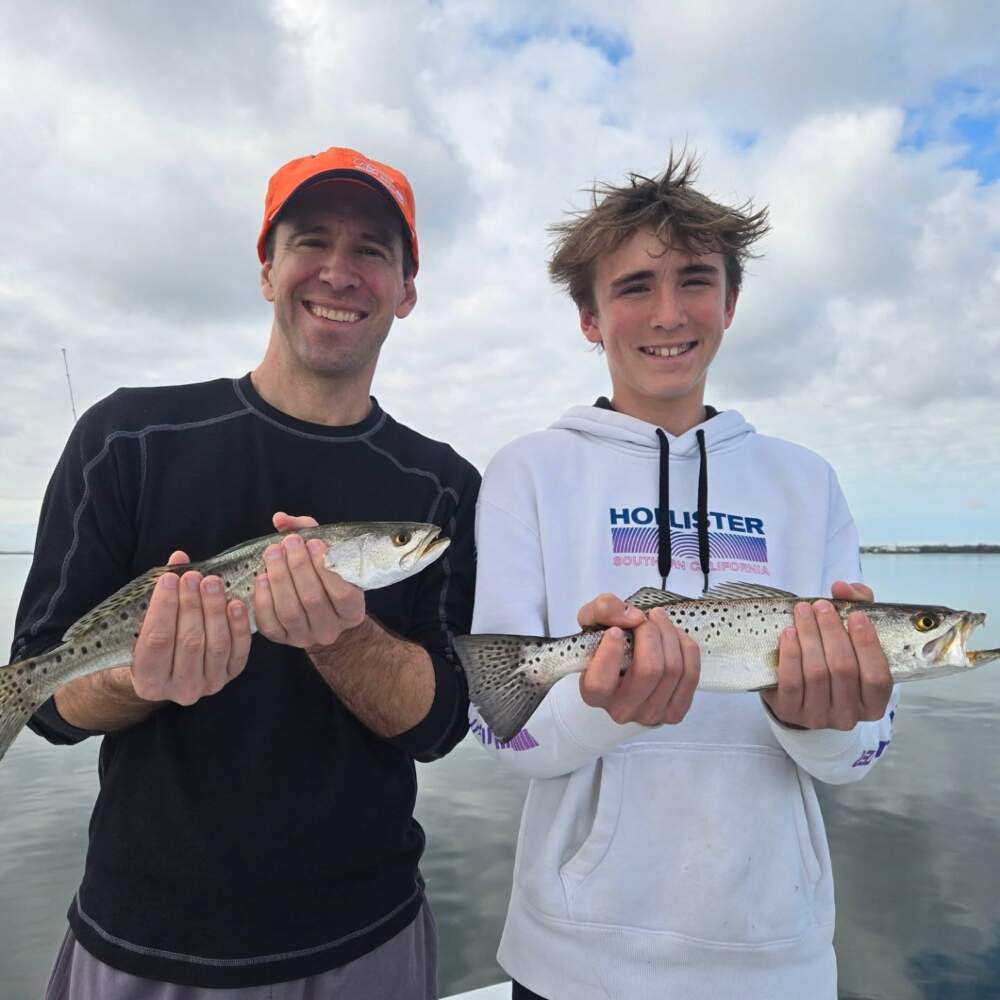
March trout fishing is about finding grass, finding clean water, and then dialing in depth. Early in the month, trout often hold on deeper grass edges and in potholes that sit close to channel lanes. As the month warms, you spend more time drifting or working mid-depth grass flats because the fish are simply more comfortable spreading out.
If you want a simple species reference for tackle and how we typically target them, Tampa Bay seatrout fishing is a helpful overview. For many anglers, March also becomes a month where artificials start outproducing slow live bait on certain days, especially when trout are actively hunting bait across grass.
Sheepshead and Black Drum
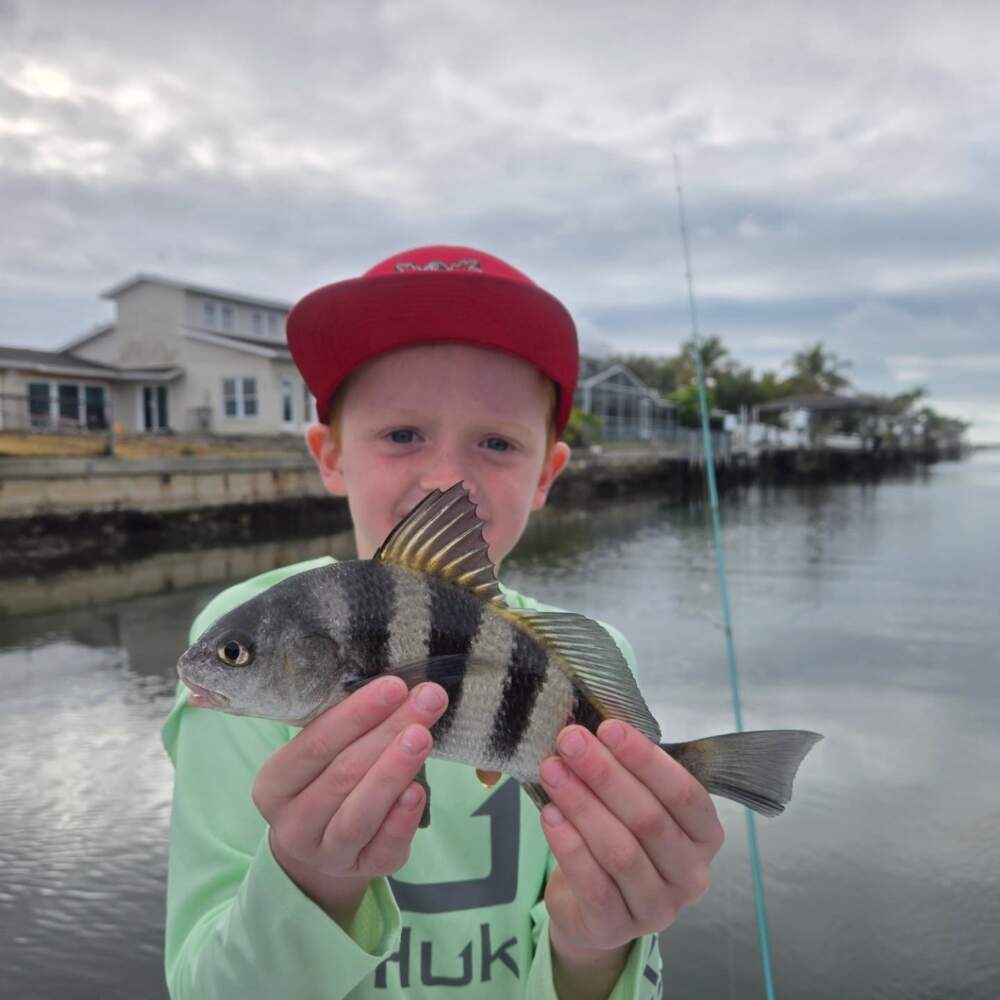
Some March days feel like spring. Others remind you that Florida still has fronts. That is why sheepshead and drum are so valuable in March. When the wind is up, the water is extra clear, or a cold snap slows the flats, structure fish can keep a trip productive.
For a deeper dive on how we approach structure fishing during the cooler season, Targeting Winter Sheepshead and Black Drum lays out the approach, and Tampa black drum fishing is a solid species primer if you have not tangled with them before.
In early March especially, it is common to mix the day. Start with structure in the morning when water is coolest, then slide into redfish and trout water once the sun has had time to warm the shallows.
March Bait and Lure Choices in Tampa Bay
March is a month where bait availability can change week to week, and your best plan is to be ready for both live bait and artificials.
Live shrimp stays productive all month because it works on everything from trout to snook to sheepshead. As spring builds, whitebait becomes a bigger part of the story, and being able to load the livewell can change the day fast. If you want to understand how we find bait even when the season feels “in between,” read catching white bait in winter in Tampa Bay, because those techniques often carry right into early March.
Artificial lure fishing also shines in March, especially when fish are moving onto flats and you want to cover water efficiently. If your group prefers the challenge and satisfaction of fooling fish on lures, the Artificial Lure Fishing page is a good starting point, and Tampa Bay flats fishing is a fun read if you want to lean into sight casting on clear, calm days.
Wind, Water Clarity, and Why March Rewards Flexible Plans
March in Tampa Bay is famous for two things: spring fishing improving quickly, and wind becoming a more consistent factor. The best move is not to “fight the wind,” it is to let it choose your water. Leeward shorelines often have cleaner water, more manageable boat positioning, and better sight fishing opportunities. Wind can also help you drift quietly onto fish without pushing them off a flat.
If you want practical tactics for dealing with breezy afternoons, Windy Days and Spring Success is a helpful guide for making the most of conditions that run a lot of anglers back to the dock.
Where We Fish in March Around Tampa Bay
March is not a single-spot month. It is a “best water for the day” month. Depending on tide height, wind direction, and water clarity, March trips often rotate between mangrove shorelines, creeks, flats with potholes, and structure zones that hold sheepshead and drum.
If you want a good overview of the protected-water side of the fishery, Tampa Bay backcountry fishing explains why the backcountry stays productive even when open flats get sporty. If you are learning the system and want a bigger “how the bay works” orientation, Tampa fishing guide: inshore tips and techniques is a solid read before you step on the boat.
Late March Lead-In to April Fishing
Late March is when you start seeing April on the horizon. Fish that were holding tighter in creeks begin sliding onto flats more consistently, and the “spring bite” becomes less of a window and more of an all-day possibility when conditions are stable. If you are planning a late March trip and want to know what the next step looks like, this April fishing forecast for Tampa Bay is a helpful preview.
Tarpon season is the big headline as spring moves forward. While Tampa Bay has some resident fish, the more consistent seasonal push is typically associated with April and beyond. If tarpon are on your bucket list, the Tampa Bay tarpon fishing charter page is the best place to start planning that next step after your March trip.
March Tampa Bay Fishing Checklist
- Fish early March like winter until the weather proves otherwise. Start deeper in the morning, then slide shallow once the sun warms the bottom.
- Let tide height choose your game plan. High tides open mangrove feeding zones, lower tides pull fish toward edges, drains, and troughs.
- Follow bait, not wishful thinking. When whitebait and pinfish are showing, predators get louder and less picky.
- Use structure as your backup plan. Sheepshead and black drum around pilings, docks, and oyster zones can save windy or post-front days.
- Slow down when the water is cold and clear. Longer pauses and cleaner presentations catch more fish than fast retrieves on tough mornings.
- Pick the cleanest water available. In March, a small move to cleaner water can change the entire day.
Book a March Tampa Bay Fishing Charter
March is one of the best months to book a Tampa Bay charter because you get a mix of winter predictability and spring upside. Redfish, snook, trout, sheepshead, and black drum are all in play, and the late-month trend lines usually point up.
To see what a typical trip targets and how we run inshore days, start with Tampa Bay inshore fishing charters and guided Tampa fishing trips. If you are ready to lock in your date, check rates and online reservations. If you would rather talk tides, timing, and what your group wants to catch, reach out through the contact page and we will build the best March plan around your schedule.
For trip prep and what is included on the boat, the Bag’Em Fishing Charters FAQ page covers the common questions, and our Tampa Bay fishing boat page shows what you will be fishing from.