Last Updated on February 11, 2026 by Eric
February fishing in Tampa Bay is where winter’s best traits line up: clear water, concentrated fish, and predictable feeding lanes that form around structure, edges, and tidal movement. It is a month that rewards anglers who slow down, fish the right tide windows, and target the warmest water available instead of trying to cover the entire bay like it’s May.
If you want the big-picture seasonal roadmap first, read the Inshore Fishing Tampa 2026 calendar. It lays out what winter conditions do to fish location, then shows how the bay transitions from February into March when the spring bite starts to build.
For a quick February-specific overview, our February species to target in Tampa Bay article is a solid companion piece. If you want the full winter framework behind the patterns, start with winter fishing in Tampa Bay and keep cold water bait and lure strategy in Tampa Bay bookmarked for the days right after a front.
What February Conditions Do to Fish in Tampa Bay
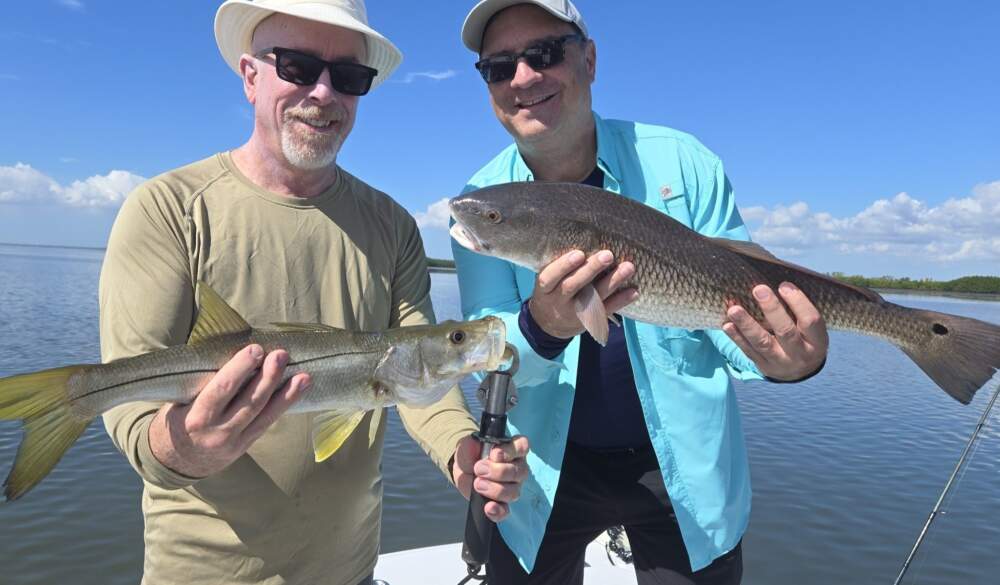
February is still winter in Tampa Bay, which means cold fronts can drop water temperatures overnight and lower water levels can expose flats and shorten the “fishable” zones. The good news is that fish do not leave the bay. They tighten up. Redfish, trout, drum, and snook slide toward depth, protected edges, and structure, then push shallow again during midday warming windows when the sun has time to heat darker bottom and calm backwaters.
Most February trips are won with two ideas: fish moving water, and fish the warmest water you can find for that day. When those two line up, February can fish like a cheat code.
What’s Biting in February, and What Changes Heading Into March
| Target | February pattern in Tampa Bay | What shifts as March arrives |
|---|---|---|
| Sheepshead | Peak structure bite. Fish stack around docks, bridge pilings, rock piles, and oyster edges and feed tight to cover. | Still strong early March, but you’ll start mixing in more spring “moving water” action around mangroves and flats as other species wake up. |
| Redfish | Reliable on sun-warmed flats near depth, oyster seams, and grass lines. Best bite often late morning through afternoon. | Redfish spread out more as water warms, and you’ll see more consistent flat activity when tides are up. |
| Spotted seatrout | Hold along deeper grass edges, potholes, and channels where temps stay stable. Slow presentations win. | Trout begin sliding onto grass flats more often and feed more aggressively during longer warming trends. |
| Snook | Target warm pockets only: canals, protected basins, deeper mangrove pockets, and shadow lines. Quality over quantity. | Snook activity increases. More fish show on mangrove edges, creek mouths, and staging areas as spring patterns begin. |
| Black drum | Often around bridges, deeper edges, and hard-bottom zones. Shrimp and crab-style baits shine near bottom. | Still present, but you’ll start seeing more mixed-bag days where drum become a bonus while you hunt reds, trout, and improving snook action. |
| Bonus bites | Flounder and other “edge” fish show along sandy drop-offs and channel transitions, especially when tides pull hard. | Near the bay mouth, spring arrivals start to matter more and the overall pace of the bite trends upward. |
February’s Most Reliable Inshore Targets
Sheepshead
If you want the steadiest February bite, it is hard to beat sheepshead. Winter is when they gather around structure, and Tampa Bay has an endless supply of it. The trick is not “finding structure,” it is fishing it precisely. Sheepshead usually will not chase far, so you want your bait right where they are feeding.
If you want a deeper dive on how to target them alongside drum in winter, read targeting winter sheepshead and black drum. It lines up perfectly with what February fishing looks like around bridges, rock, docks, and oyster edges.
Redfish
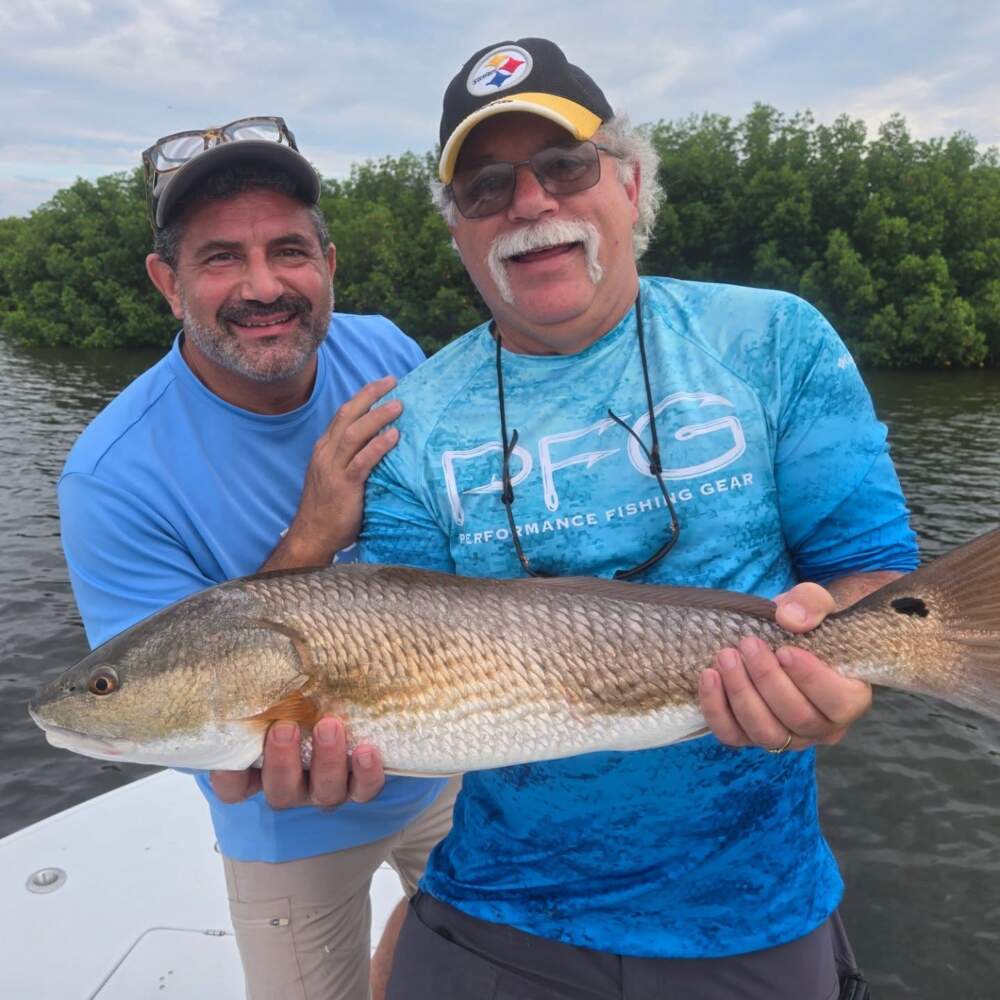
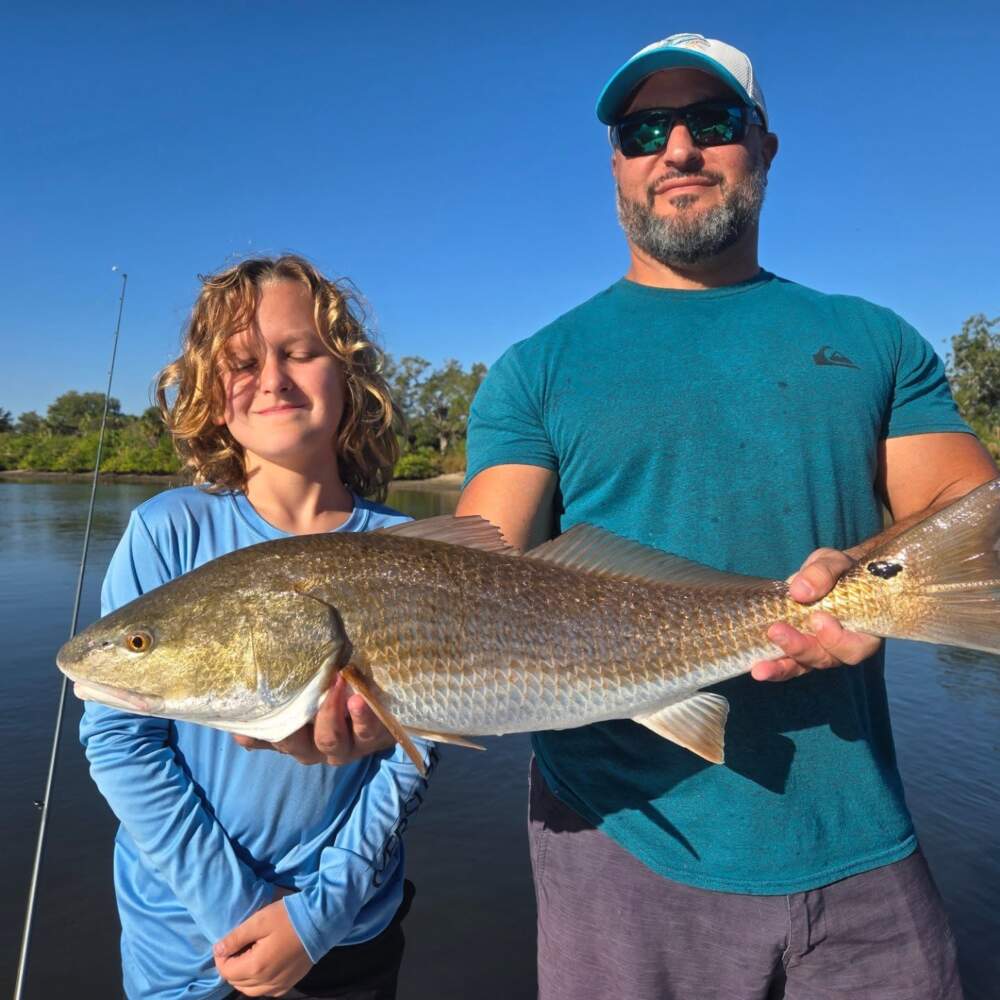
Redfish remain one of Tampa Bay’s most dependable winter species because they do not disappear when temperatures drop, they regroup and reposition. In February, look for them on flats that warm quickly, especially where there is an easy escape route to deeper water. Oyster lines, grass-to-sand transitions, and subtle contour changes become travel lanes when water drains and refills.
If redfish are your main goal, our Tampa redfish fishing page is a good reference for what they eat and how they behave in the bay’s flats and oyster zones.
Spotted seatrout
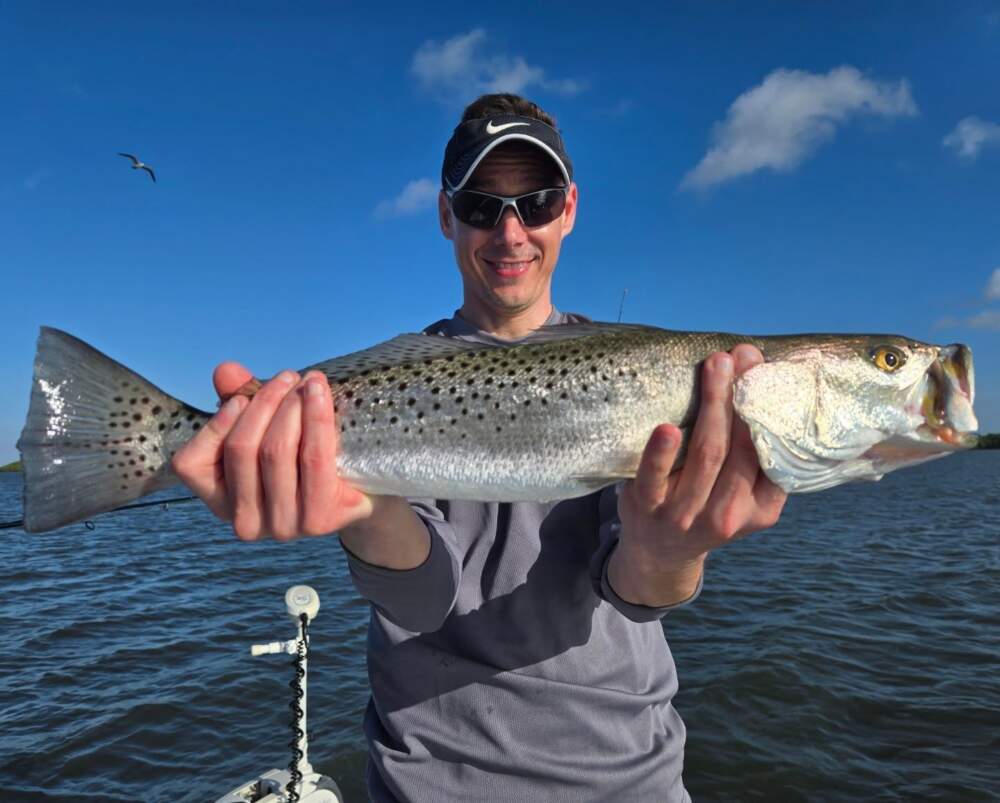
February trout fishing is about comfort zones. Trout tend to hold along deeper grass edges, channels, and sand potholes where water temperature stays more consistent. On calm, clear days, it can feel like you are fishing an aquarium, but the fish still want a slower cadence than they do in warmer months.
For a species-specific overview, see our Tampa Bay seatrout fishing page, then apply the winter cadence principles from this cold water bait and lure strategy guide.
Snook
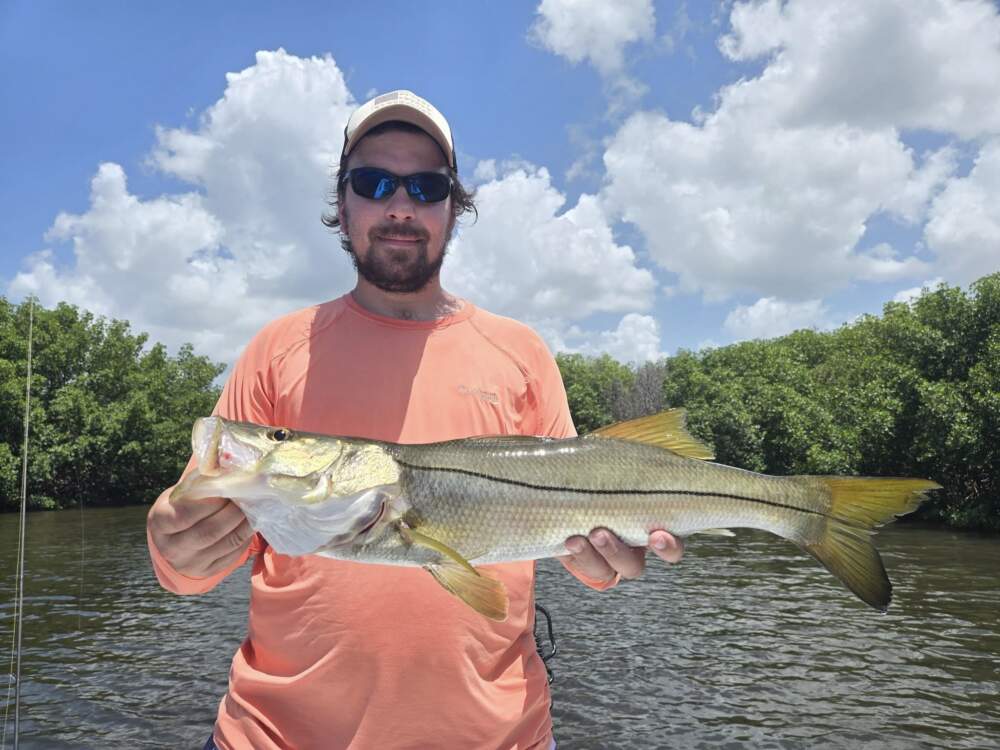
Snook are around in February, but they are less forgiving about location than reds or trout. The key is stable water that does not swing hard overnight: canals, deeper basins, protected backwater pockets, and areas with sunlight, darker bottom, and minimal wind exposure. Shadow lines can matter too, especially around docks and seawalls that attract bait.
To understand how snook set up around Tampa, start with Tampa Bay snook fishing, then read finding cold weather snook in Tampa Bay for the winter-specific positioning approach.
Black drum
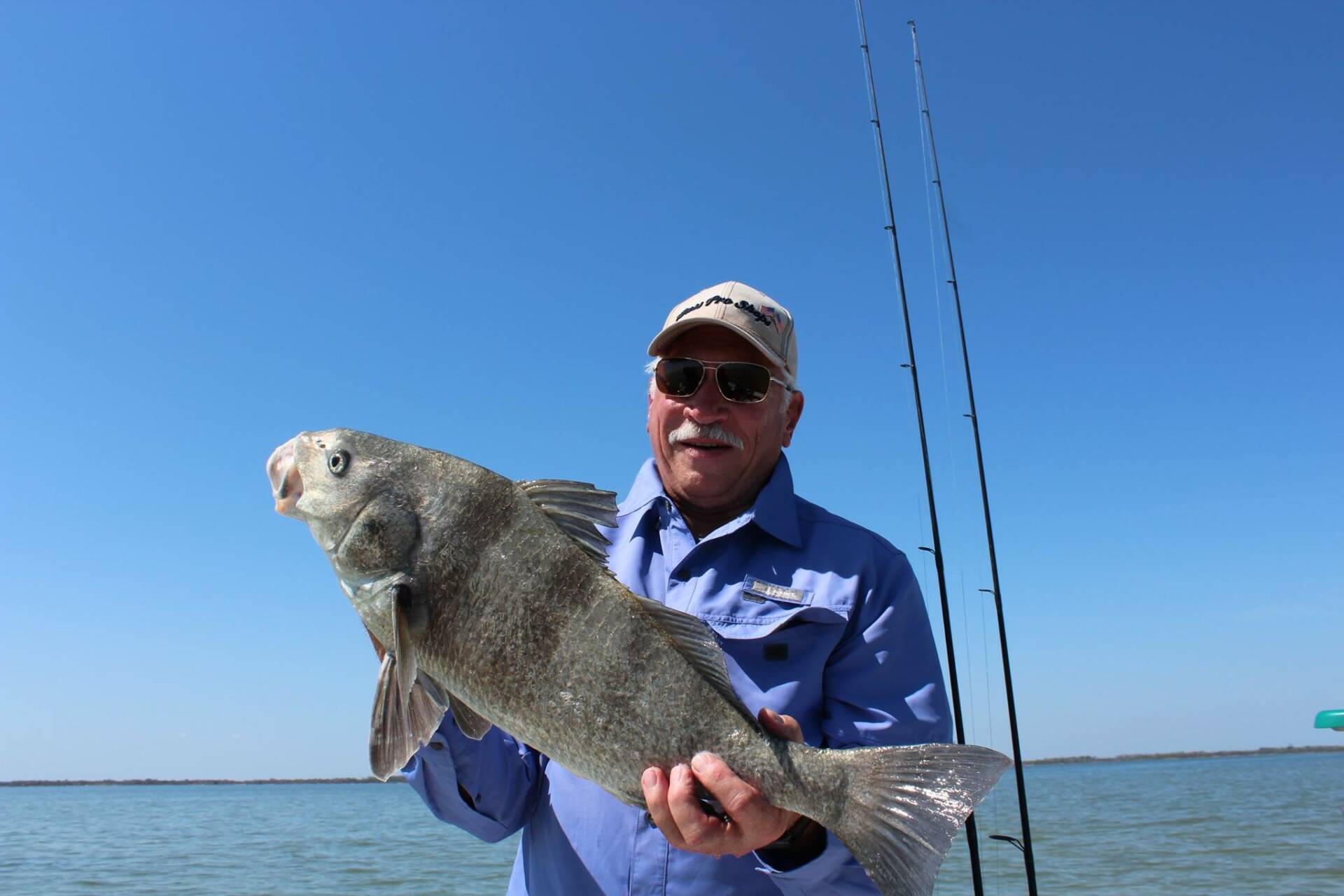
Black drum are a perfect February target because they are comfortable in cooler water and often share “structure neighborhoods” with sheepshead. They feed near bottom and reward patience. Shrimp is a classic bait here, and crab-style offerings can be excellent when you are around rock, oyster, and bridge zones.
If you want a quick reference on their habits and where they like to sit, visit Tampa black drum fishing.
February Bait and Lure Strategy in Tampa Bay
February is when anglers get punished for fishing too fast. Cold water shortens feeding windows and makes fish less willing to chase. You will usually do better with slower drifts, more time in the strike zone, and presentations that stay low and deliberate near edges and structure.
Live shrimp and small crabs shine in February because they match what winter fish are already eating. Cut bait becomes very useful when the tide slows and fish get picky, especially around deeper edges and structure where scent can pull fish in.
If your crew loves casting, February can still be excellent for artificials as long as you commit to winter cadence. Our artificial lure fishing page pairs well with the more technical breakdown in cold water bait and lure strategy, especially for jerkbait pauses, slow-rolled soft plastics, and keeping a lure in front of fish long enough to trigger a strike.
Choosing the Right Trip Style for February
February is a great month to fish with a guide because small decisions matter more than brute force. Wind direction, tide height, and post-front temperature swings can change where the productive water is, even within the same half of the bay.
To compare options and see what fits your group, start with Tampa fishing trips. If you already know you want a classic winter inshore day, go straight to Tampa inshore fishing charters. February’s low water also makes boat setup more important, and our shallow-capable platform is detailed on our Tampa Bay fishing boat.
If you are traveling and want the logistics handled, the charter FAQs explain what’s included and how the day typically runs.
Late February Into March
February is the “precision month.” March starts adding momentum.
As the calendar flips, the bay begins shifting out of the tight winter footprint. Fish that have been holding deeper and tighter begin moving onto flats more often, and feeding windows stretch longer. This is also when bait becomes a bigger part of the story. Our March fishing report explains the early spring trend well: fish congregate in creeks and then begin pushing onto flats when tides allow, and bait choices like whitebait and cut ladyfish can become major producers.
If you want the full transition explained with tactics, spring inshore fishing in Tampa Bay and how to make it work breaks down how warming water pulls snook, redfish, and trout toward mangrove edges, potholes, docks, and staging areas. Spring is also when wind becomes more of a consistent factor, and windy days and spring success is a helpful read when March afternoons start getting sporty.
February Checklist for Tampa Bay
- Plan around the warmest part of the day. In February, late morning through afternoon is often the most consistent window, especially after a cold front.
- Fish moving water on purpose. Incoming and outgoing tides reposition fish along edges, drains, and structure. Slack water is usually slower.
- Use structure as your insurance policy. When flats are slow, docks, bridges, rock, and oyster edges can keep the day productive with sheepshead and drum.
- Slow down your lure cadence. If you are throwing artificials, commit to longer pauses and slower retrieves rather than “search speed.”
- Target warm pockets for snook. Focus on protected areas with stable depth and temperature, not open flats early in the morning.
- Watch for the March shift. More bait presence and more fish moving onto flats usually means more aggressive feeding and more variety.
Book a February Tampa Fishing Charter and Set Yourself Up for March
February is one of the best months to learn Tampa Bay the right way because the fish are concentrated and the patterns are readable. It is technical, rewarding fishing. Then March shows up and starts turning the volume up.
To lock in your date, visit online reservations. If you want to talk through tides, trip style, or whether an inshore day or an artificial-focused day fits your group best, use the contact page and we will point you toward the best February plan with a clean lead into the early March bite.